"Nothing is more powerful than an idea whose time has come."
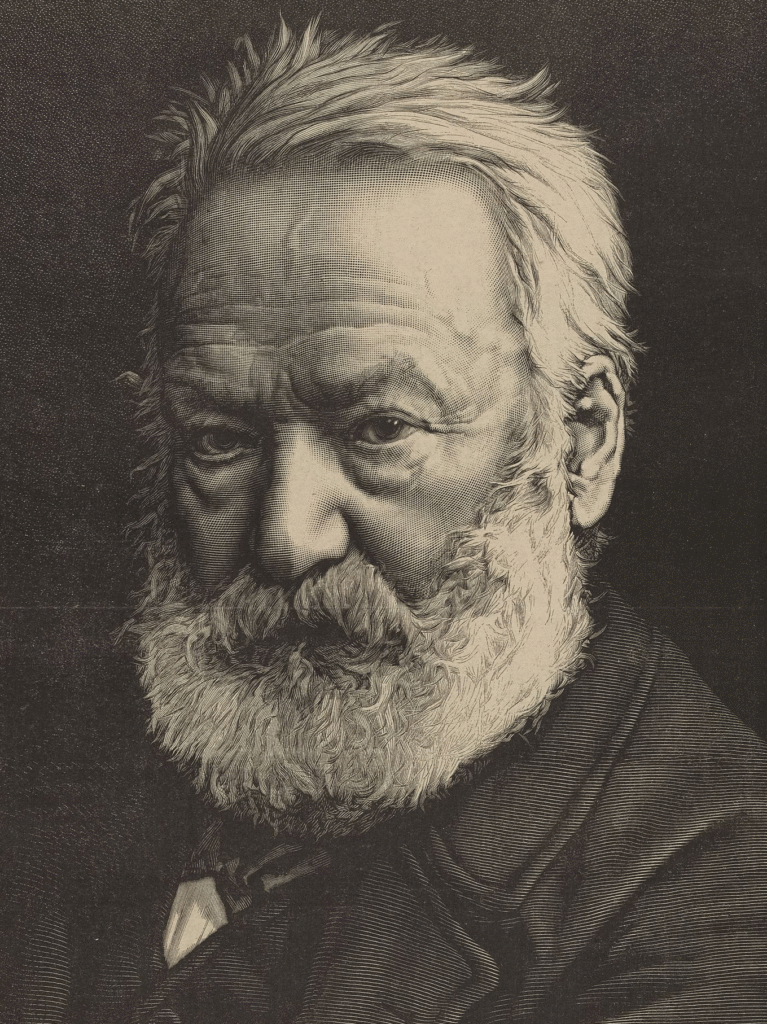
Victor Hugo
author, poet, essayist, playwright, journalist, human rights activist and politician
A Brief Summary of Ideas
The U.S. federal government operates as the issuer of currency, meaning it can create dollars to fund spending and is never financially constrained—its limits are inflation and resource capacity, not revenue. In contrast, state and local governments are users of that currency, bound by balanced-budget requirements and dependent on tax revenue, federal transfers, or borrowing. Federal taxes don’t fund spending directly; they help regulate inflation and demand. State taxes, however, directly finance services like education and infrastructure.
Replace single-member, winner-take-all maps with larger “super-districts” that elect several representatives using a proportional Ranked Choice Voting method. This makes seat shares track vote shares and blunts gerrymanders.
This creates: fewer “safe” seats, more competitive, coalition-driven politics, and far less room for partisan map-rigging.
Term limits refresh representation by breaking the built-in advantages of incumbency that narrow the talent pipeline. Regular turnover lowers the risk of cozy, long-running relationships with lobbyists and donors, invites more diverse candidates to step in, and raises the odds that lawmakers reflect current public priorities rather than yesterday’s coalitions.
They can also improve policymaking: new members arrive with lived experience from outside government, are less invested in protecting old compromises, and have clearer incentives to deliver measurable results within a defined window.
The 2010 Citizens United ruling opened the floodgates for unlimited outside spending, letting a small number of mega-wealthy and corporate interests dominate the volume—and therefore the agenda—of our politics. When outsized money sets the terms of debate, trust erodes and broad public priorities lose to narrow ones.
A healthier path is small-donor democracy: cap contributions, amplify individual gifts with public matching, require real-time transparency, and close dark-money loopholes. This shifts power from a few checkbooks to millions of voters, rewarding candidates who build wide coalitions instead of catering to high-dollar networks. Humble truth: no system is perfect—but one built on many modest donations is fairer, more resilient, and more accountable than one financed by the wealthiest voices.
Ranked-choice voting lets you rank candidates (1, 2, 3…). If no one has a majority of first choices, the last-place candidate is dropped and those ballots move to the next ranked choice until someone crosses 50%. In multi-winner races, a proportional version (often called single transferable vote) elects several candidates so seats better mirror the electorate. This setup reduces “spoiler” worries, encourages newcomers and independents to run, and nudges campaigns toward coalition-building because second- and third-choice support matters.
Winners also tend to enjoy broader legitimacy: single-winner RCV produces a majority-backed winner, and proportional RCV helps most voters help elect at least one representative. The trade-offs are real—voter education and clear ballot design matter to avoid confusion or “exhausted” ballots—but when implemented well, RCV can widen the slate of viable candidates and improve acceptance of the results.
The federal judiciary has “lost credibility” through corruption and overt partisanship.
Leonard Leo and the Federalist Society shaped a durable conservative supermajority—advising on shortlists, coordinating outside campaigns, and marshalling large dark-money networks—contributing to public perceptions of capture and eroding trust.
That machinery helped steer the appointments of Justices Gorsuch, Kavanaugh, and Barrett–and earlier influence over Roberts, Alito, and Thomas.
The Supreme Court should be bound by an enforceable code of ethics.